The global transition to renewable energy and sustainable practices is driving a significant shift in the labor market. As industries phase out traditional fossil fuel methods, there is an increasing demand for specialized capabilities that align with the rapidly expanding clean-energy sector. This transformation is generating a surge in green jobs, necessitating new skill sets for workers across various levels of expertise.
The growing demand for green jobs in the energy sector
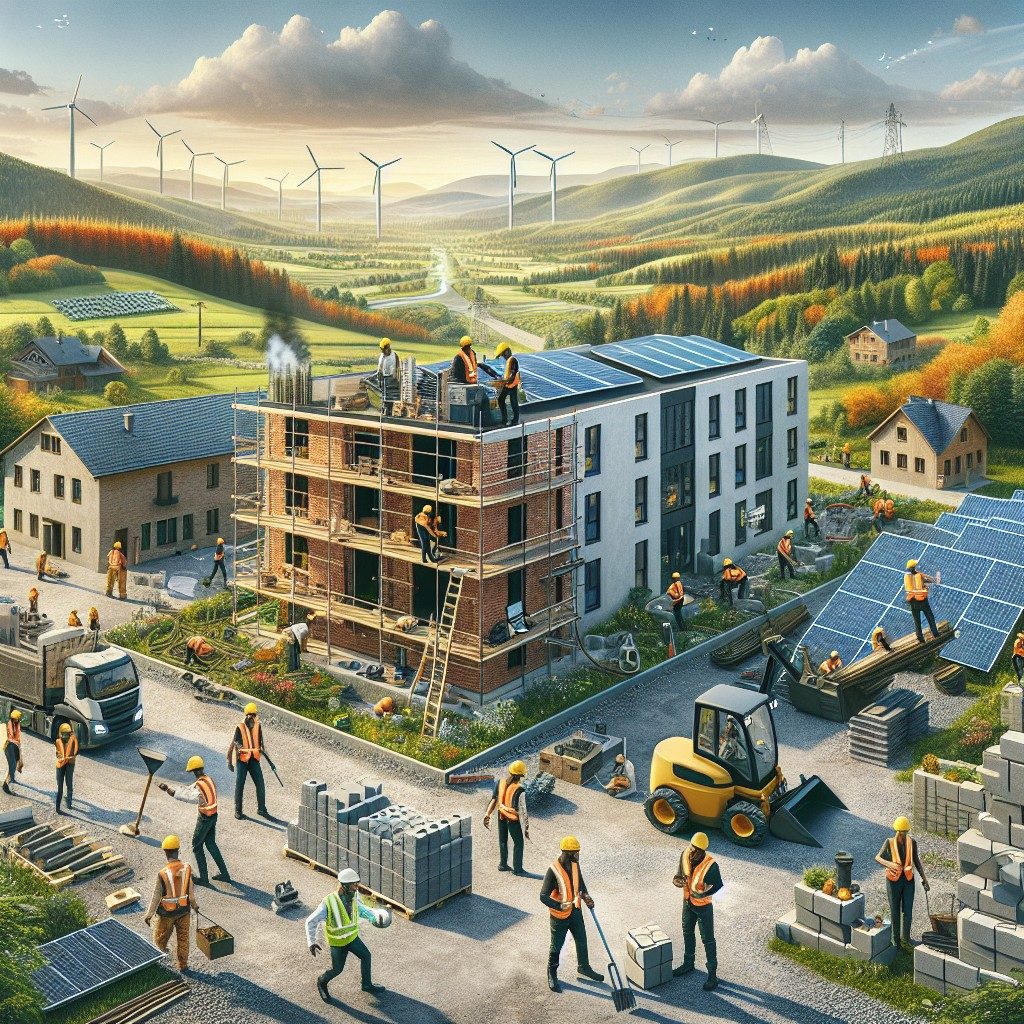
Governments and private industries worldwide are investing heavily in clean energy infrastructure such as solar, wind, and energy efficiency technologies. This investment heightens the need for a labor force adept at handling installations, operations, and maintenance of renewable energy systems. Reports from the International Renewable Energy Agency (IRENA) indicate that renewable energy employment surpassed 13 million jobs globally in 2023, and figures are projected to rise substantially by 2030. The surge in green jobs is a reflection of this trend, underscoring the critical role skills development plays in supporting sustainable growth.
Technical skills crucial for clean-energy jobs
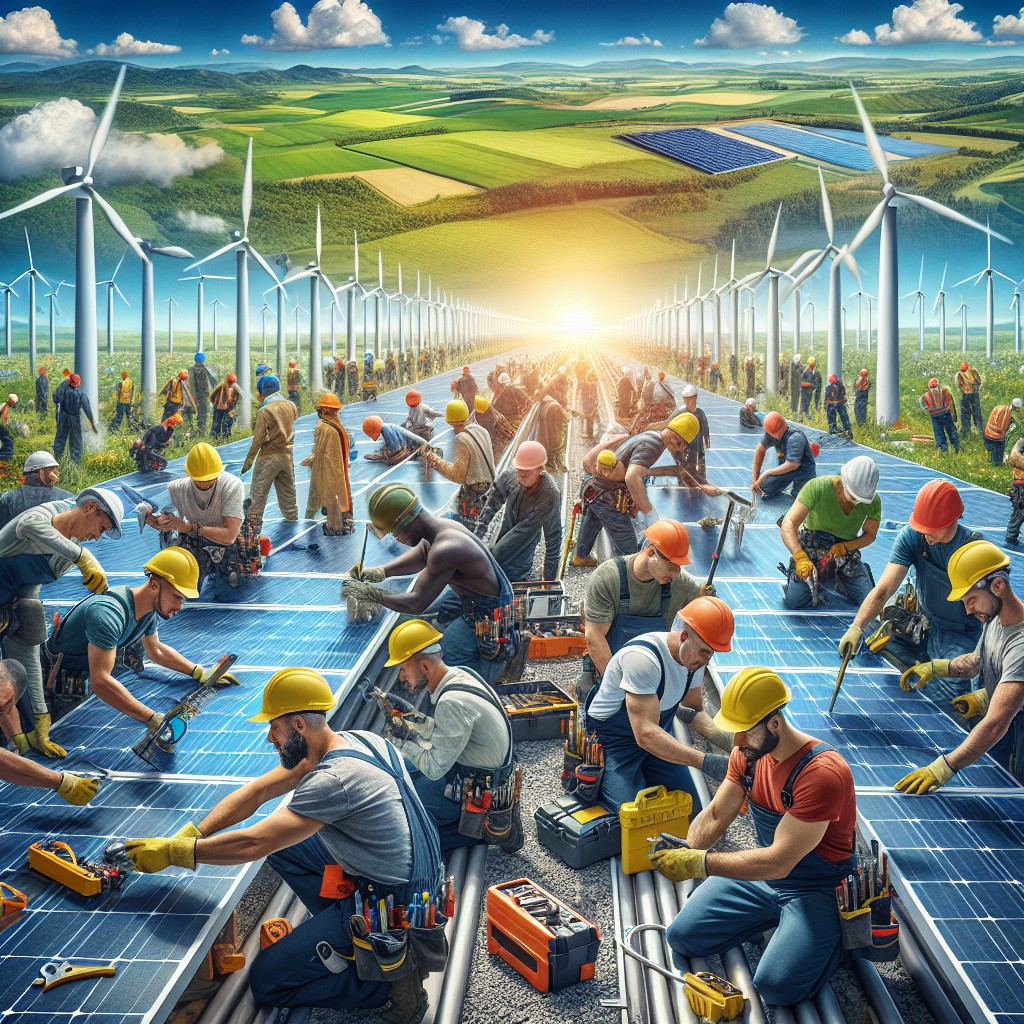
Workers transitioning into green jobs must acquire competencies in areas such as electrical systems, environmental science, and project management tailored to renewable resources. Expertise in solar photovoltaic installation, wind turbine maintenance, and smart grid technology are increasingly sought after. Moreover, the ability to troubleshoot and optimize energy systems is essential, requiring proficiency with digital tools and industry-specific software. Vocational education programs are updating curricula to incorporate these practical skills, addressing the need for hands-on experience with emerging technology.
The importance of soft skills in the green economy
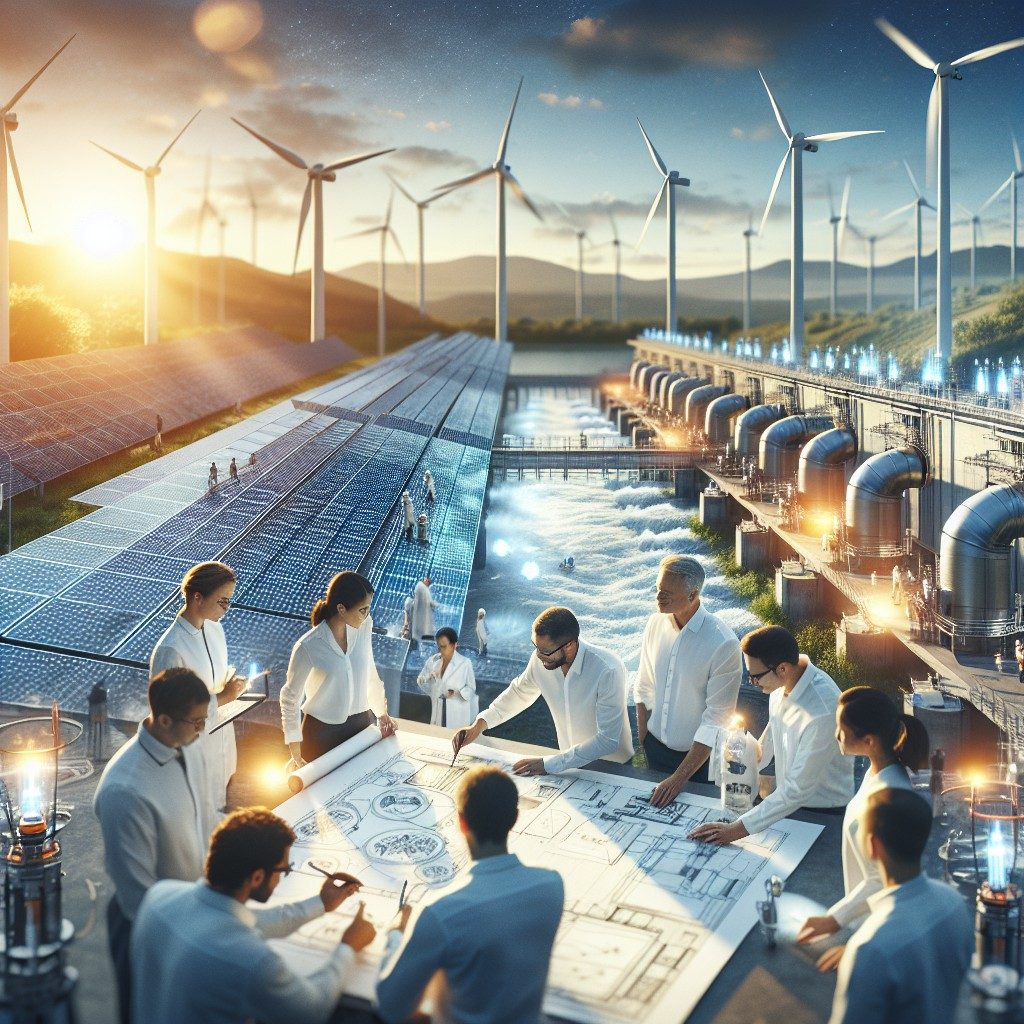
Beyond technical knowledge, employers in the clean-energy field emphasize soft skills including adaptability, problem-solving, and teamwork. As projects often involve collaboration across multidisciplinary teams, workers need strong communication abilities and capacity to manage evolving workplace dynamics. Additionally, a commitment to sustainability principles underpins many roles. Workers who understand the environmental impact of their work and demonstrate critical thinking towards continual improvement contribute significantly to advancing the clean-energy agenda.
Challenges in workforce training and education
Despite growing opportunities, the transition to green jobs presents hurdles in training and education systems. Many regions face gaps in access to relevant programs, particularly in underserved communities. Aligning training frameworks with industry demands remains a challenge, requiring close cooperation between policymakers, educators, and employers. Furthermore, integrating lifelong learning models is necessary to ensure workers can update their skills as technology evolves. Addressing these challenges is paramount to fully realize the potential of green jobs and achieve global sustainability targets.
Policy implications and future outlook
Policy initiatives targeting workforce development are increasingly focused on supporting reskilling and upskilling efforts. Incentives such as subsidies for green apprenticeships and training grants are becoming more common. Governments are also emphasizing equitable access to green jobs, promoting diversity and inclusion in the emerging energy economy. Looking ahead, the demand for green jobs is expected to expand as nations commit to net-zero emissions goals. Continued investment in education and training will be critical to prepare workers capable of driving the clean-energy buildout effectively and sustainably.
Frequently Asked Questions about green jobs
What are green jobs?
Green jobs are employment opportunities that contribute to preserving or restoring the environment, typically within sectors like renewable energy, energy efficiency, and sustainable transportation.
Which skills are essential for green jobs?
Key skills include technical expertise in renewable energy technologies, digital proficiency, environmental knowledge, and soft skills such as adaptability and teamwork.
How can workers acquire skills for green jobs?
Training through vocational programs, apprenticeships, and certification courses focused on clean-energy technologies and sustainability practices is a common pathway.
Are green jobs widely accessible to different communities?
Access varies globally, with challenges in underserved areas. Efforts are underway to increase inclusivity and reduce barriers to entry into green jobs.
What is the future outlook for green jobs?
The outlook is positive, with expected growth driven by global commitments to reduce carbon emissions and expand renewable energy installations.