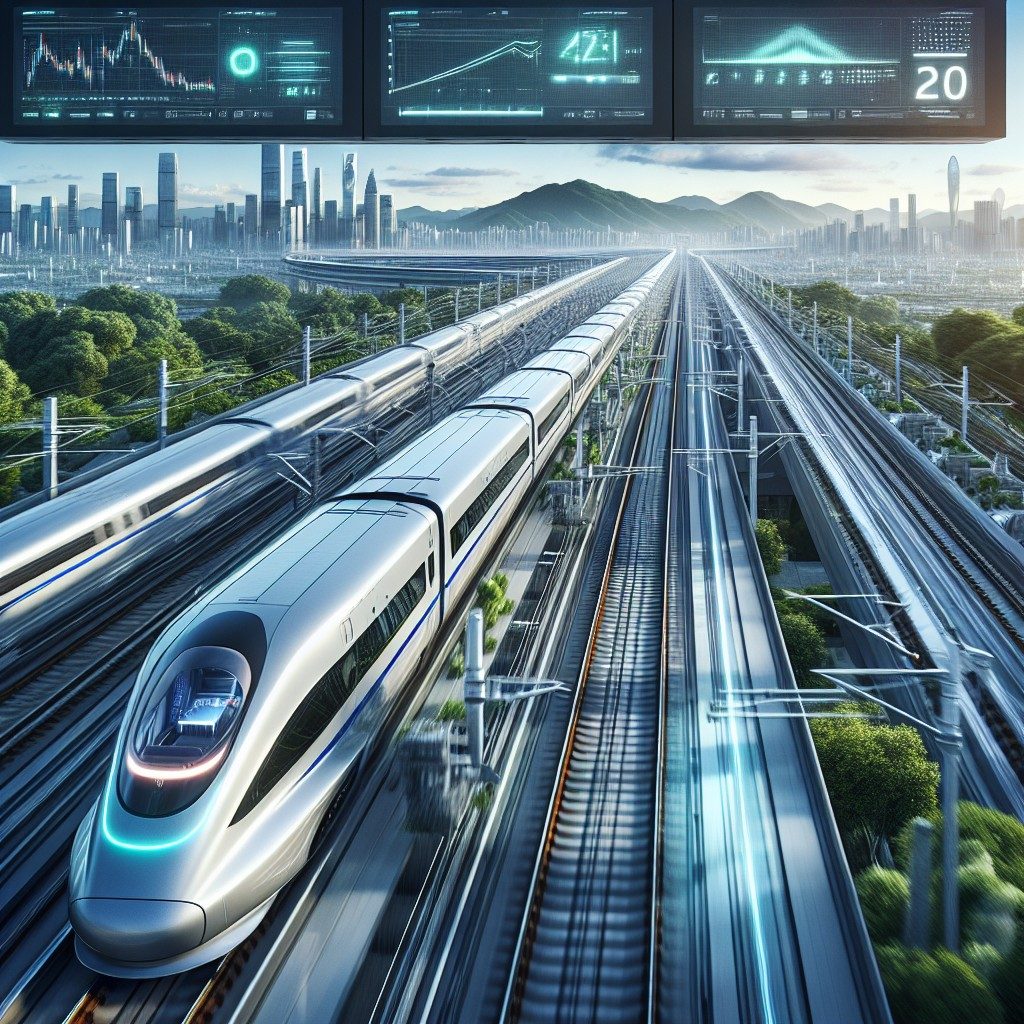
Recent expansions in high-speed rail networks are significantly impacting cross-border travel times across multiple continents. These developments are facilitating faster, more efficient journeys between countries, altering traditional transport dynamics and influencing economic and social connectivity on a global scale.
Acceleration of International Travel Connections
As governments and private sectors invest heavily in high-speed rail infrastructure, cross-border train routes are becoming increasingly viable options for travelers seeking alternatives to air and road transport. Lines connecting major cities within Europe and Asia have seen reductions in travel duration by up to 30%, creating new possibilities for daily commuting and shorter international trips.
Major Projects Enhancing Cross-Border Accessibility
One notable example is the recently inaugurated high-speed rail line connecting France and Spain, which reduces travel time between Paris and Barcelona by over two hours. Similarly, the expansion of the Shanghai-Beijing corridor with extended connections into neighboring countries is fostering greater regional integration. These projects underscore a trend focused on enhancing accessibility and reducing reliance on air travel, contributing to lower carbon emissions in transnational transportation.
Technological Innovations Driving Efficiency
Advances in rail technology, including improved aerodynamics, signaling systems, and electrification, have played a critical role in enabling faster cross-border trains. Integration of different national rail standards and streamlined border procedures are also contributing to the seamless operation of high-speed services across countries, addressing past challenges that hindered the efficiency of international rail travel.
Economic Impacts and Regional Development
High-speed rail expansions are not only changing travel times but also stimulating economic growth in connected areas. Enhanced connectivity encourages business travel and tourism, promotes regional development, and creates employment opportunities along the corridors. Additionally, it supports the diversification of transport options, fostering resilience in supply chains and logistics networks especially in cross-border contexts.
Challenges and Future Outlook
Despite the progress, challenges remain in terms of funding, cross-border regulatory harmonization, and infrastructure standardization. Ensuring interoperability between different rail systems requires continued collaboration between countries. However, experts project that ongoing investments and technological advancements will further reduce travel times and increase capacity, making high-speed rail an even more compelling option for international travelers.
Frequently Asked Questions about high-speed rail
How does high-speed rail affect cross-border travel times?
High-speed rail significantly reduces cross-border travel times by enabling trains to travel at speeds exceeding conventional rail, often surpassing 300 km/h, allowing faster journeys between countries.
What are the main benefits of expanding high-speed rail for international travel?
Expanding high-speed rail for international travel offers benefits such as reduced travel time, increased convenience, lower environmental impact compared to air travel, and improved regional economic integration.
Are there technological challenges in integrating high-speed rail systems across borders?
Yes, integrating high-speed rail systems across borders involves overcoming differences in signaling, track gauge, power supply, and border control procedures to ensure smooth and efficient operation.
Which regions are leading in high-speed rail cross-border expansions?
Europe and Asia are currently leading regions in cross-border high-speed rail expansions, with numerous projects linking major cities across countries to improve international connectivity.
What is the environmental impact of high-speed rail compared to other transport modes?
High-speed rail typically has a lower environmental impact than air and road transport, as it produces fewer greenhouse gas emissions per passenger, supporting sustainable cross-border travel solutions.